The Static
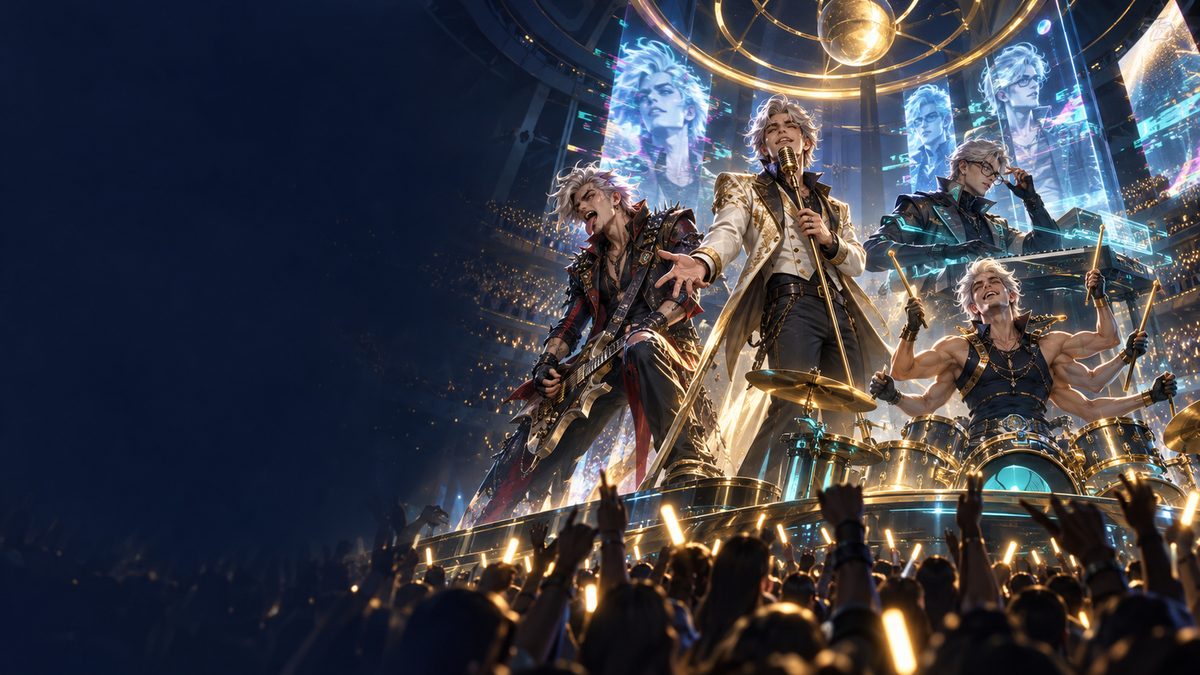
Holo-band of four members, all of them Nico Static. Biggest act on the most crowded worlds.
"Concert cancelled: band needs a firmware update."

You did something ridiculously petty. The fine is unpayable. So now you run a corporation in 26 star systems, against up to seven rivals or your friends online.
Play a free game against AI rivals, an online game against other players, or one of 23 scenarios with a target, a deadline and a medal.


Open a lobby, share the six-letter code and run your corporations in the same realtime market. There are two to eight seats; AI rivals take the empty ones. Every computer simulates the whole game, so all players see the same sector at the same moment. There are no turns and no pause. Orders land for everyone at once, and your company can carry its own name and monogram.


Every scenario has a fixed start, one target and a deadline, with the same sector for every player. You earn gold, silver or bronze. Some start fresh, some give you a handicap, and four start in year five: you inherit Gulst as the market leader, as the runner-up, or last and deep in debt.


It is 2246, and you did something ridiculously petty. Reserved a whole orbital lounge with one towel for eleven days. Returned a library holo-book 214 years late. Parked a cargo hauler across three docking bays. The fine is absurd, and you will never pay it.
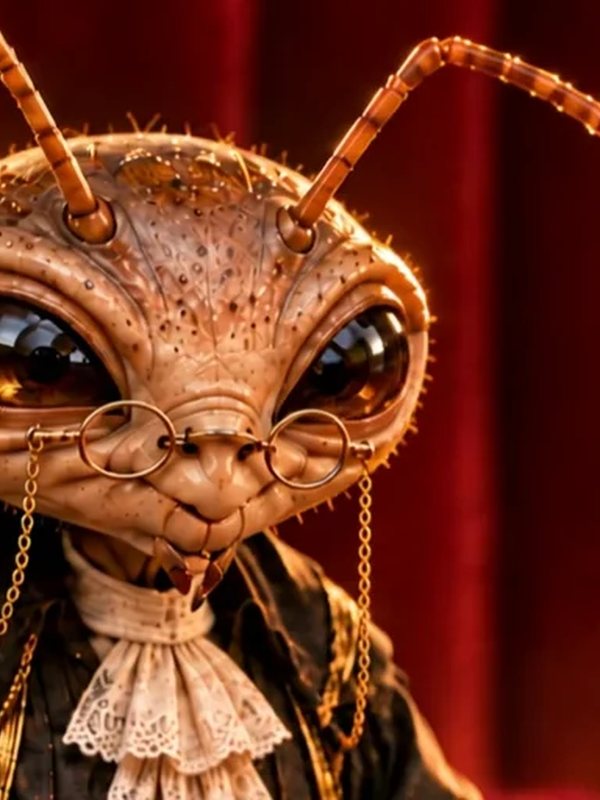
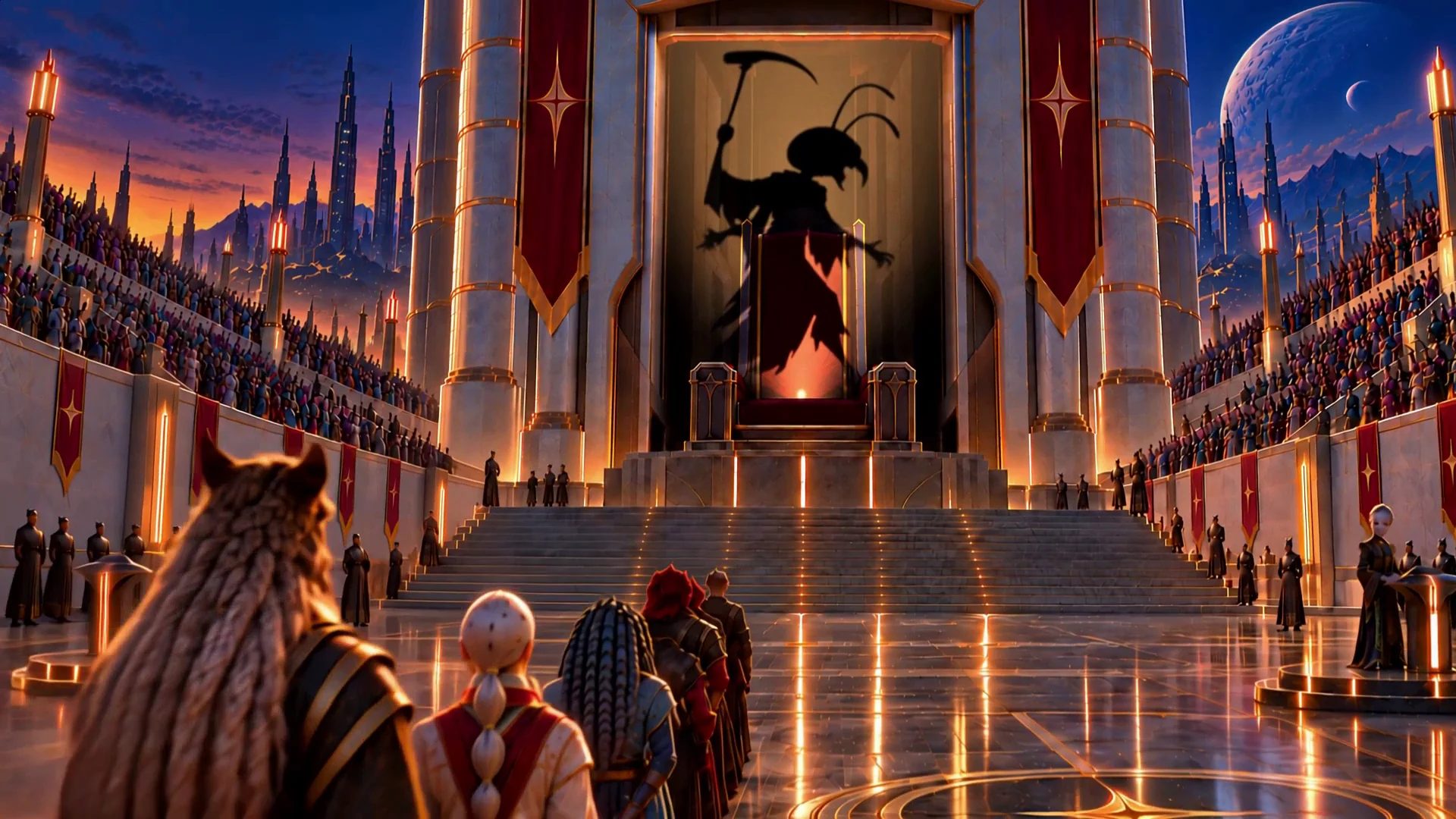
So THE CHAIR, a tiny, ancient ant judge on an enormous throne with a gavel the size of a toothpick, offers an alternative: Corporate Service. You may choose. (You may not.) Her clerk Vael translates the clicks.
You get Licence N: StarCorp, an empty government shell company, dropped into a closed market run by up to seven established corporations. Grow it until it counts as one of them and the licence becomes a charter: the company is yours. Meanwhile the news, the café and your rivals quote your record at every turn.
StarCorp is yours, and so is your freedom. THE CHAIR: “Congratulations. You are now an incumbent. Tomorrow we draft an outsider against you.”
Every rival is gone: you are the whole market. THE CHAIR: “You are now the market. Tomorrow we break you up.”
A rival reaches the winning share first. The purpose of your licence has lapsed; you keep no debts. THE CHAIR: “The shell will be issued again. They always are.”
The banks pull the plug. The fine returns with interest, and you chip ice in the Debtor’s Belt. THE CHAIR: “Mind the ice. It is also evidence.”
Twenty years, no charter. You are free to go, with a cardboard box. THE CHAIR: “Your box is by the door. The plant is regulation.”
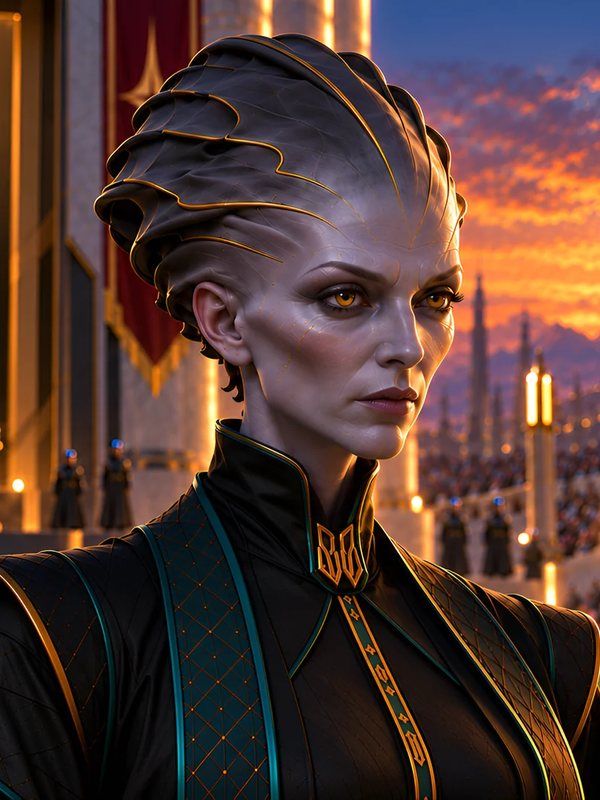
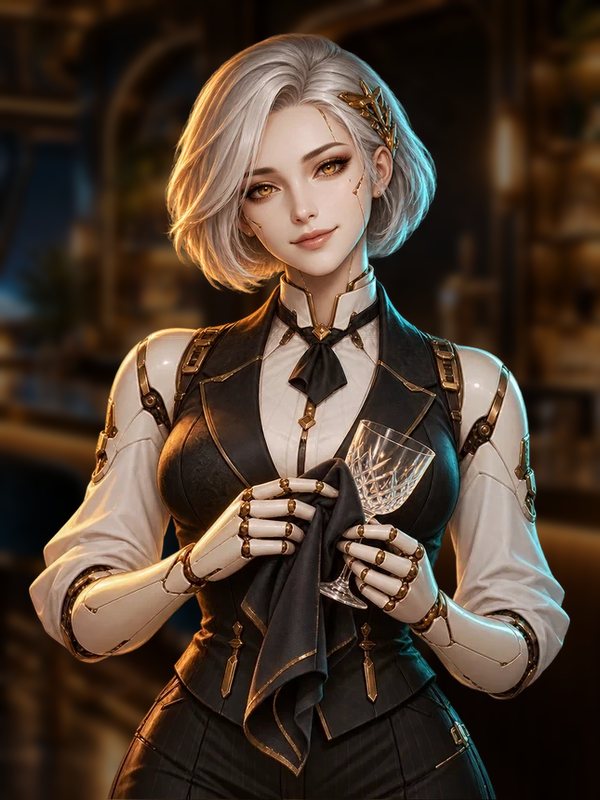
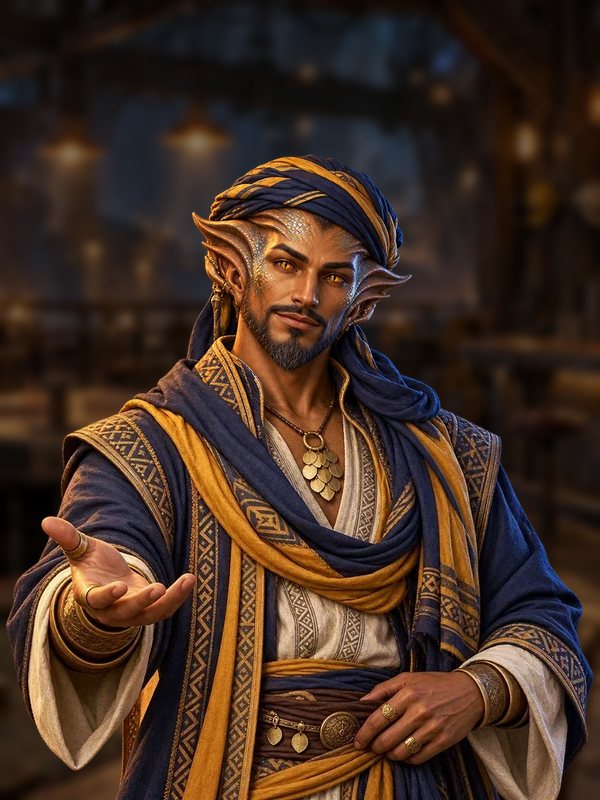
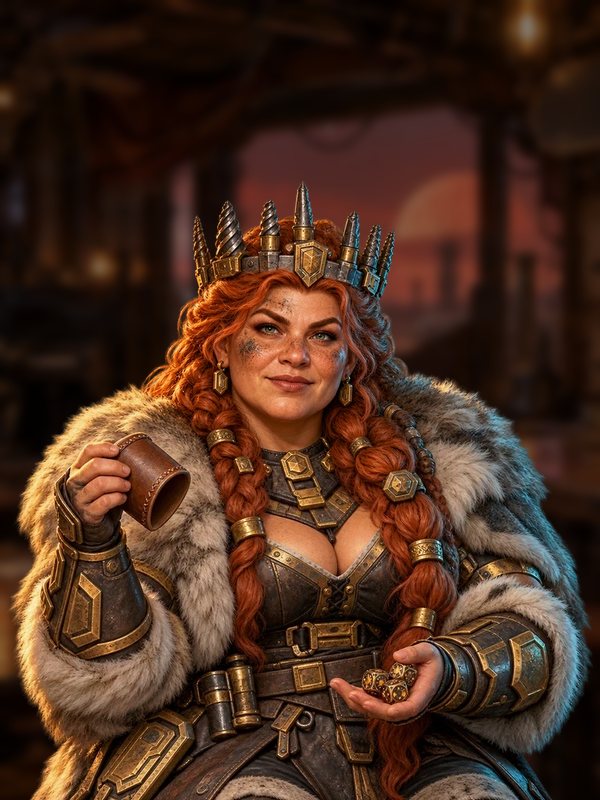
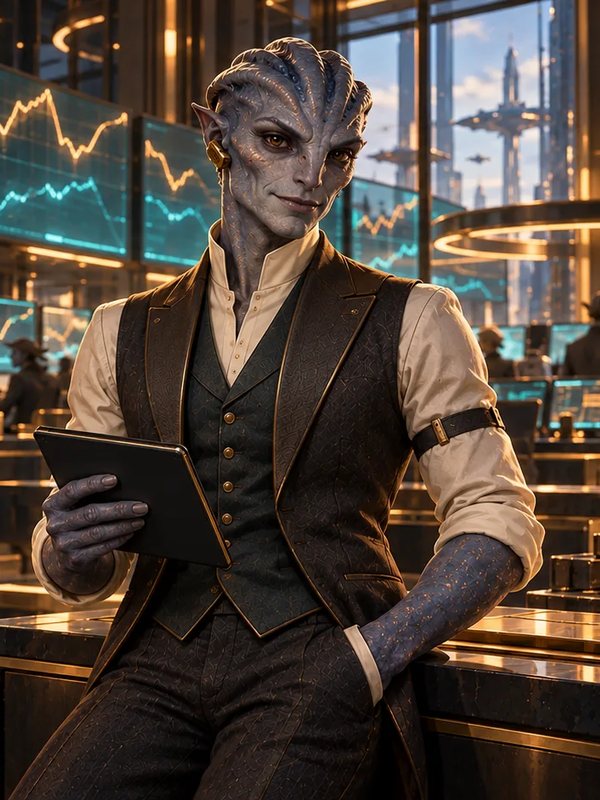
A judge who speaks in clicks, a clerk who translates, four bartenders and a smuggler with a scanner you should not ask about.
You run StarCorp and choose what it sells: Gulst energy drinks, KIXIK sneakers or ApexBiotic sports nutrition. Each week every inhabited world decides what it buys, on quality, price and how hard the brand has been pushed. Your rivals learn as they go. Hold 40 % of the market at a year-end (more against fewer rivals) and your licence becomes a charter: StarCorp is yours, and so is your freedom. Run out of credit and you are out.
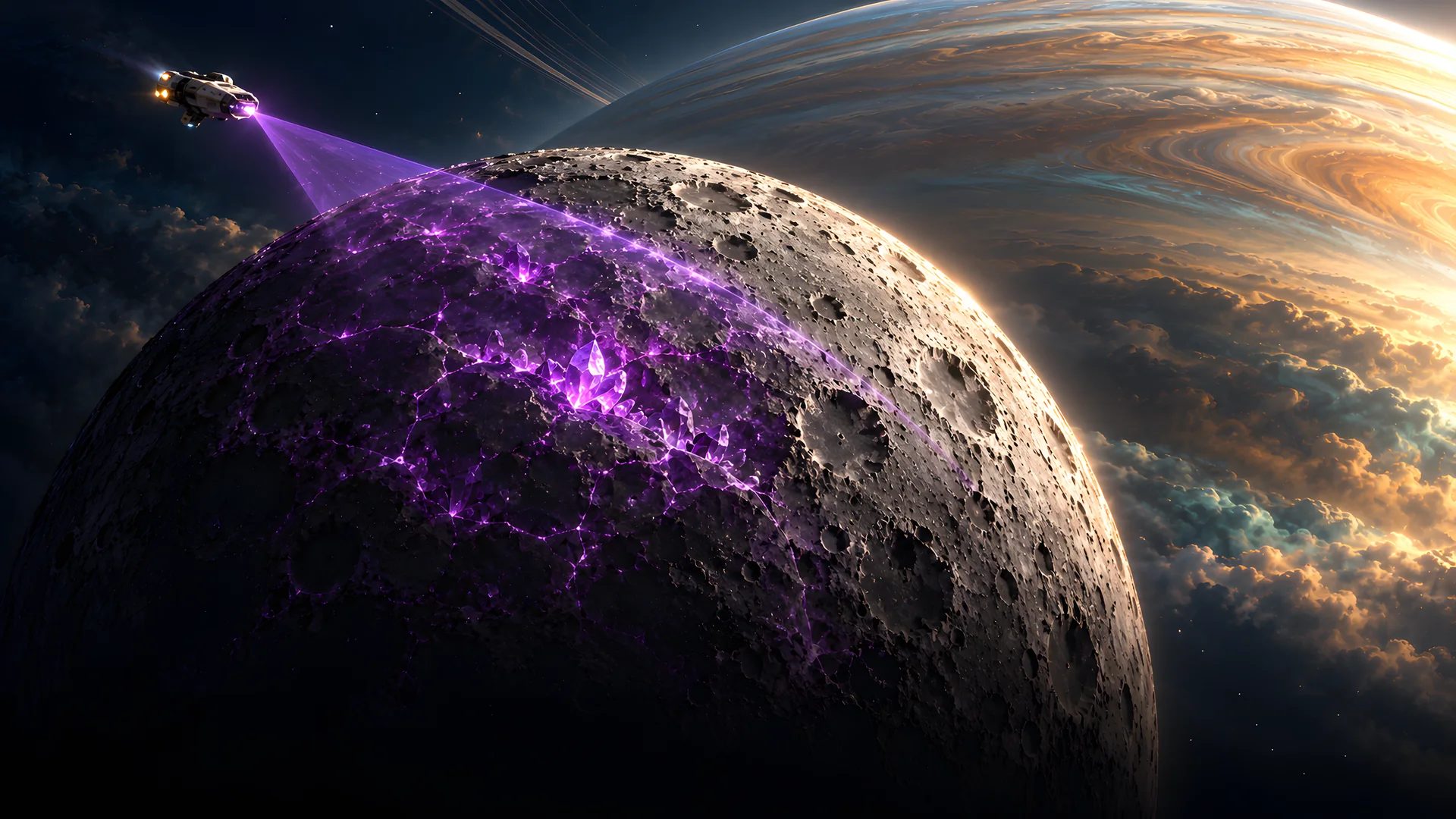
Scan star systems, survey planets and moons, and find out where the customers live, where the metal lies and where the ice is.
Found stations, fill them with factories, labs and marketing modules, line up the next builds and keep your robot fleet running.
Mine metal, melt ice, and buy and sell on a live marketplace where every trade moves the price.
Research better recipes, send sales agents, run campaigns and sign sponsors. Take the market from up to seven AI rivals.
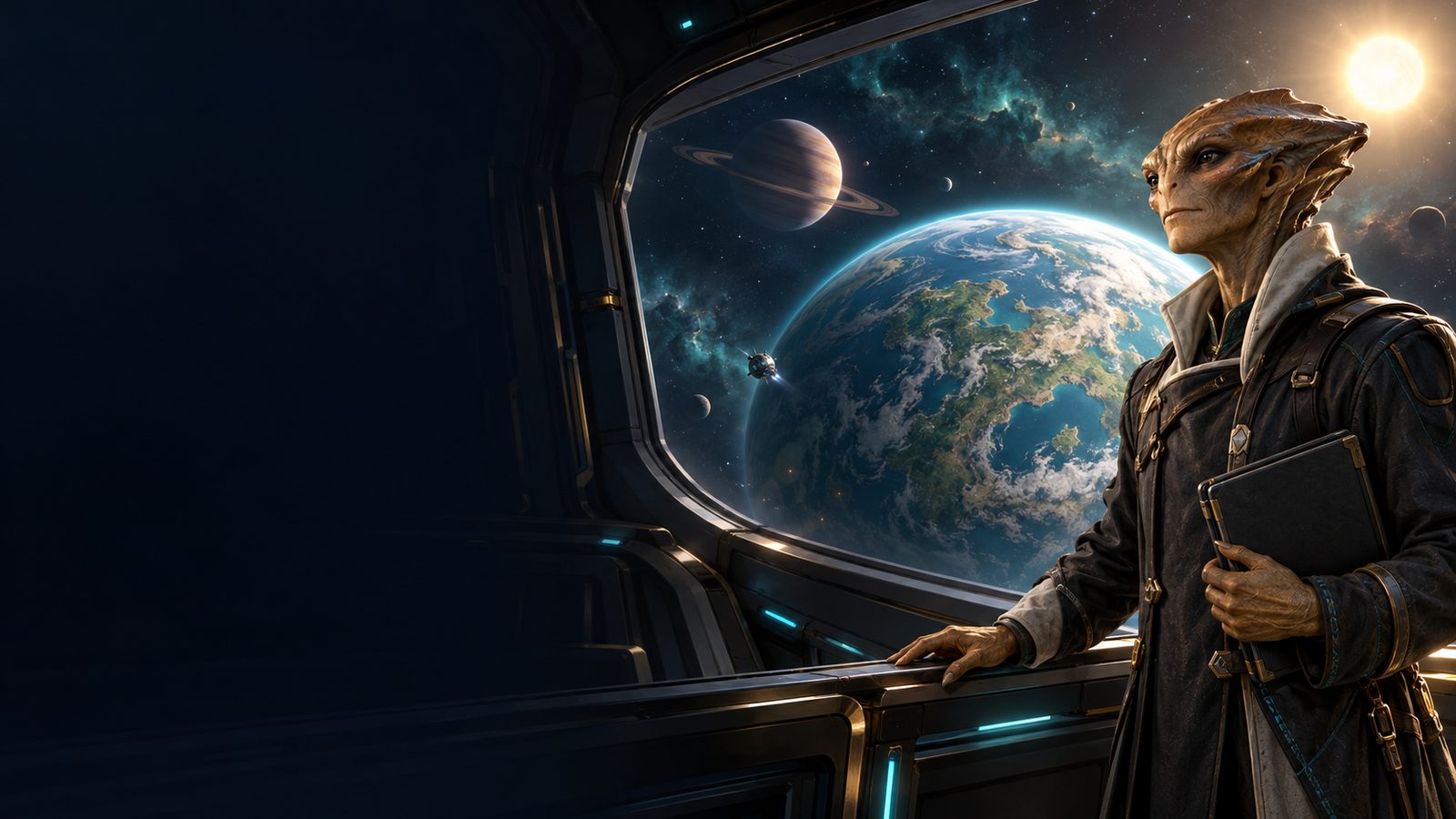

The sector starts dark. Scan systems and survey their worlds; each charted system lights up in the colour of its star. Then choose where to build: a populated world with customers, an asteroid belt with metal, or a frozen moon with water.


Scroll into a star system to see its planets, their people, their deposits and who sells there. Scroll again and one world fills the screen: what its people want, each rival's weekly sales and price as far as your Trade Office can see, and whose agents work there.
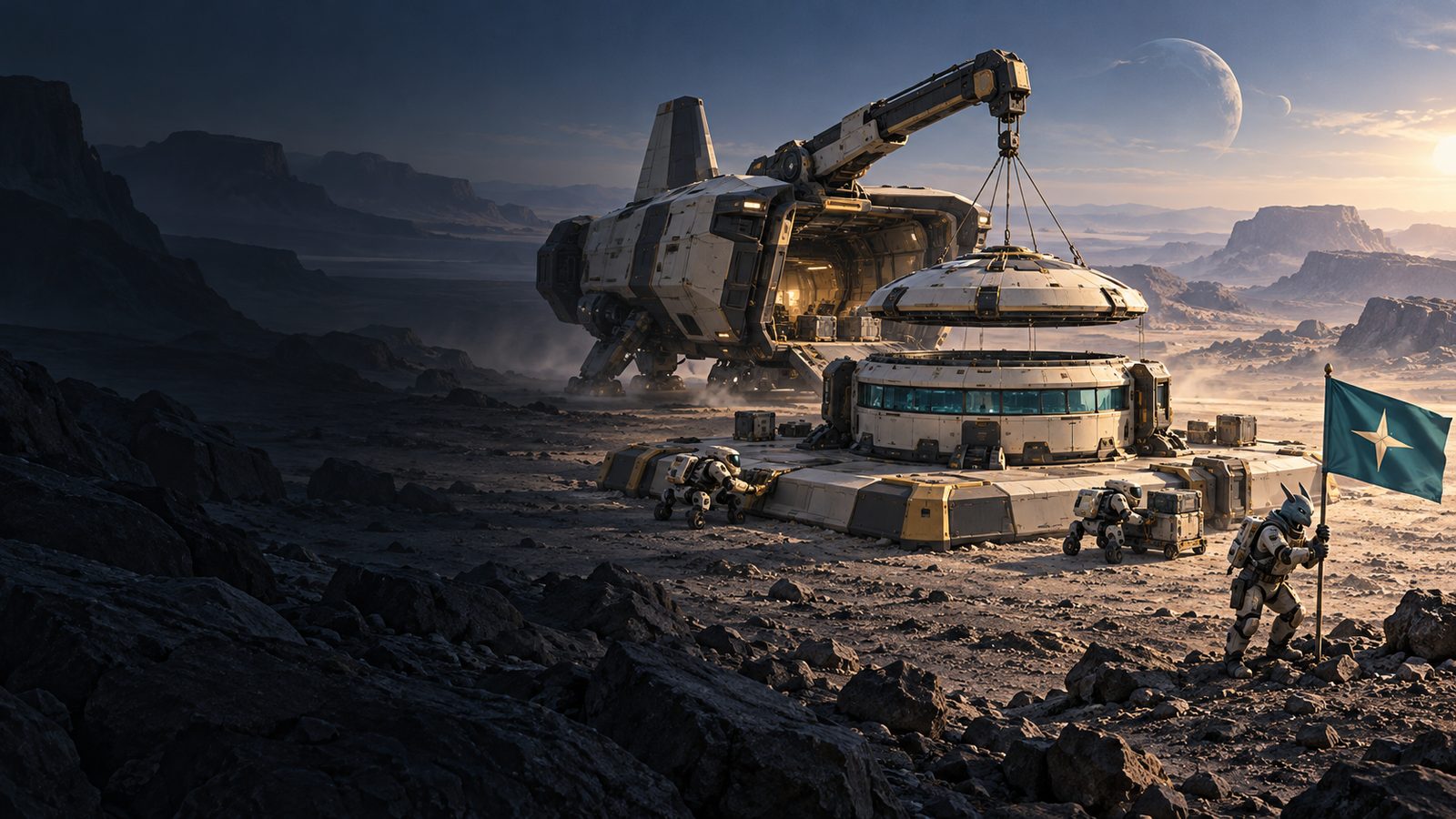

A station holds modules: factory, lab, marketing, trade office, training and discovery center. Robots run them on power and water. Overclock them when demand spikes and you pay for it in wear. A station builds one thing at a time; the rest waits in its build queue.
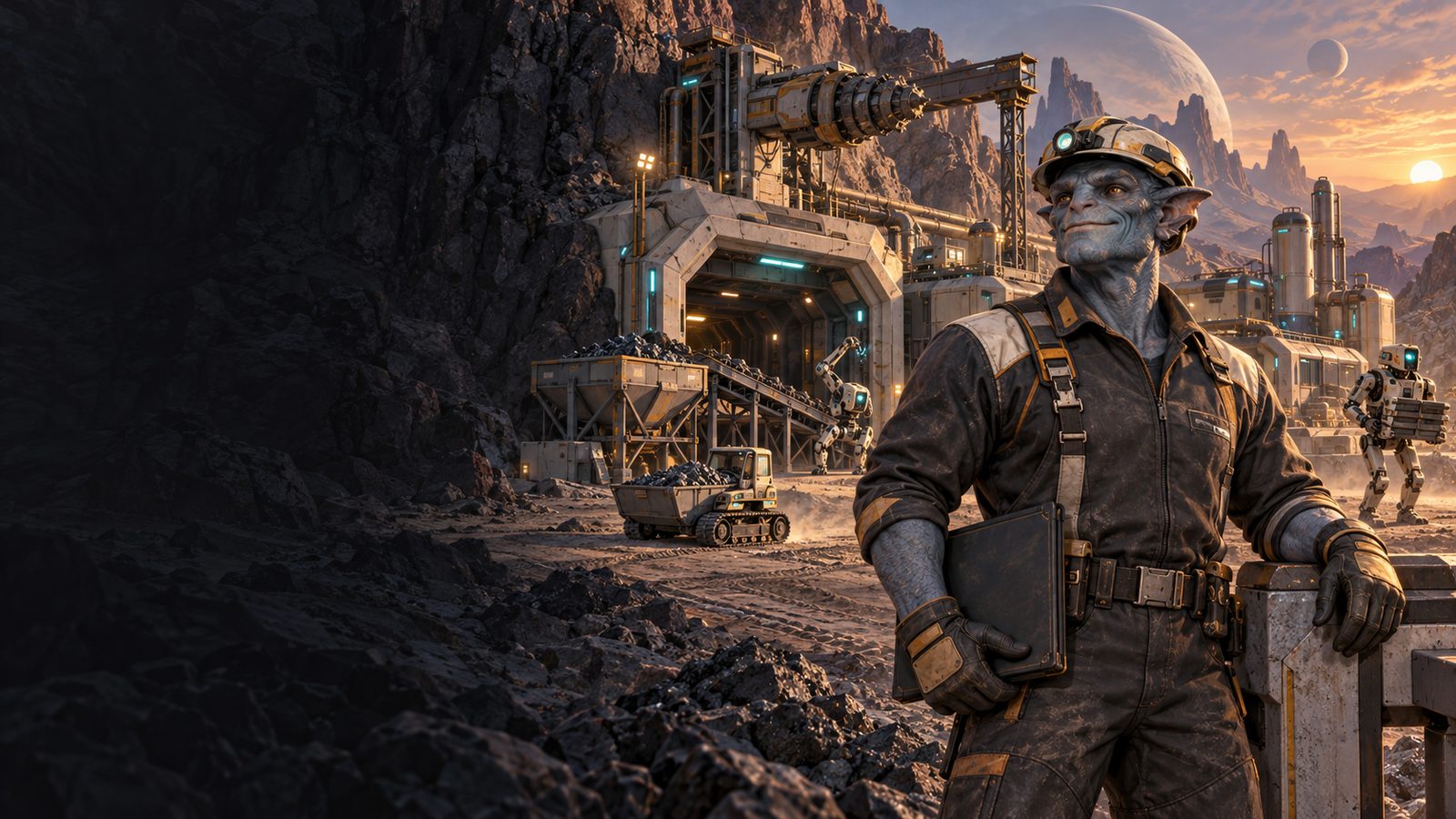

Buy what you need on the marketplace or dig it up yourself. A mine on a good deposit pays for itself in a couple of years; upgrade one on a poor deposit and you will never see that money again. Rivals trade on the same market, so when everyone builds, metal gets expensive.


Every world weighs your product's traits differently (for Gulst: taste, kick and health), and the bar rises as the sector improves. Research 25 technologies, such as new ingredients, packaging and production lines, then 15 refinements. Decide which customers you make it for. A world that does not get what it wants buys from someone else.
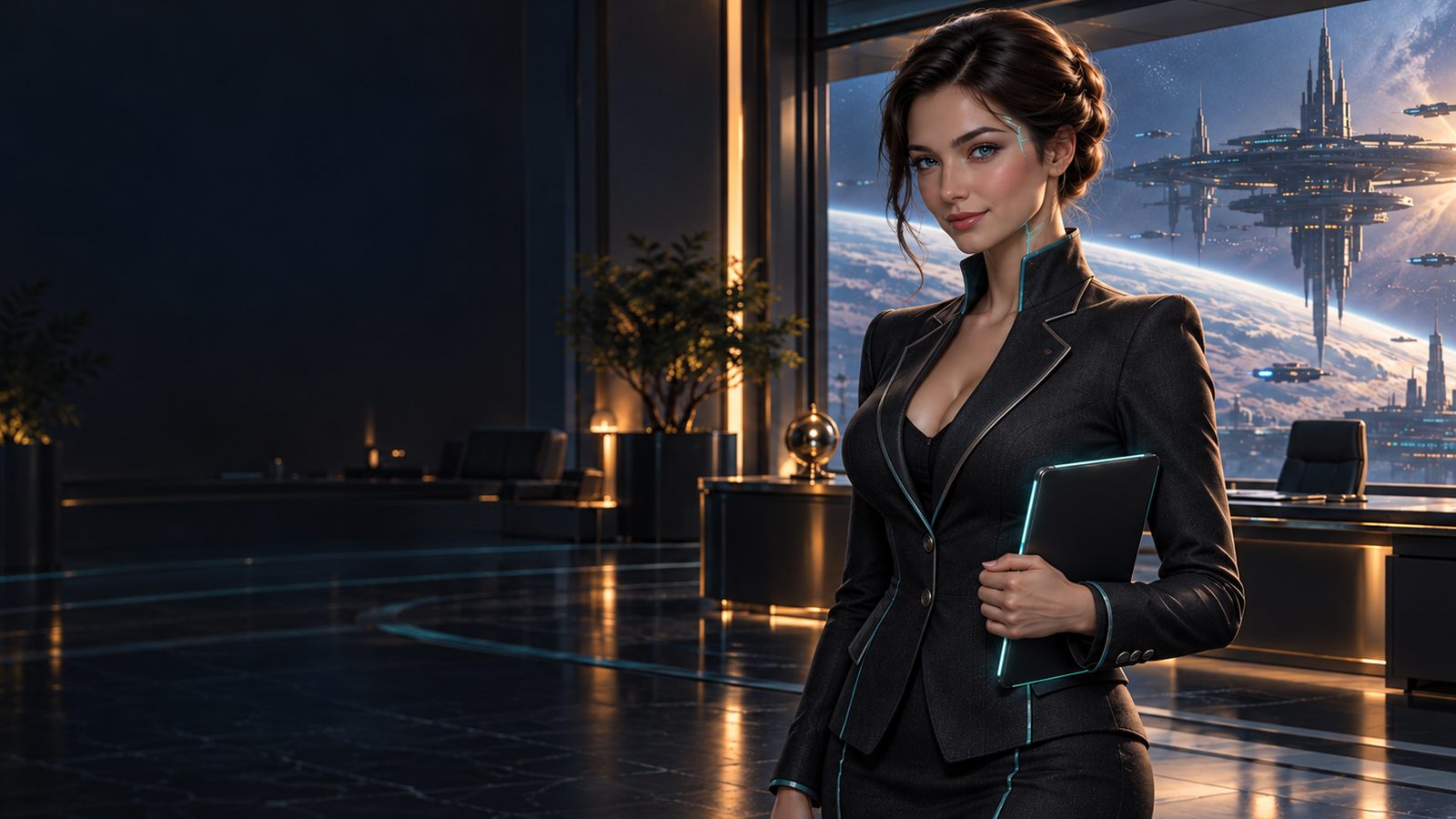

Your first station is your headquarters. Ask your heads of finance, logistics, marketing and research for advice, and pay for their training. A trained department costs less to run and gives better advice. Your executive assistant tells you what matters when you walk in. Your rivals train their people too.
Sign the stars of the sector and hope they behave. A good season lifts your brand with their fans. A scandal does the opposite, and you decide whether to stand by them. There are twelve sponsors and six limited-edition collabs.
Holo-band of four members, all of them Nico Static. Biggest act on the most crowded worlds.
"Concert cancelled: band needs a firmware update."
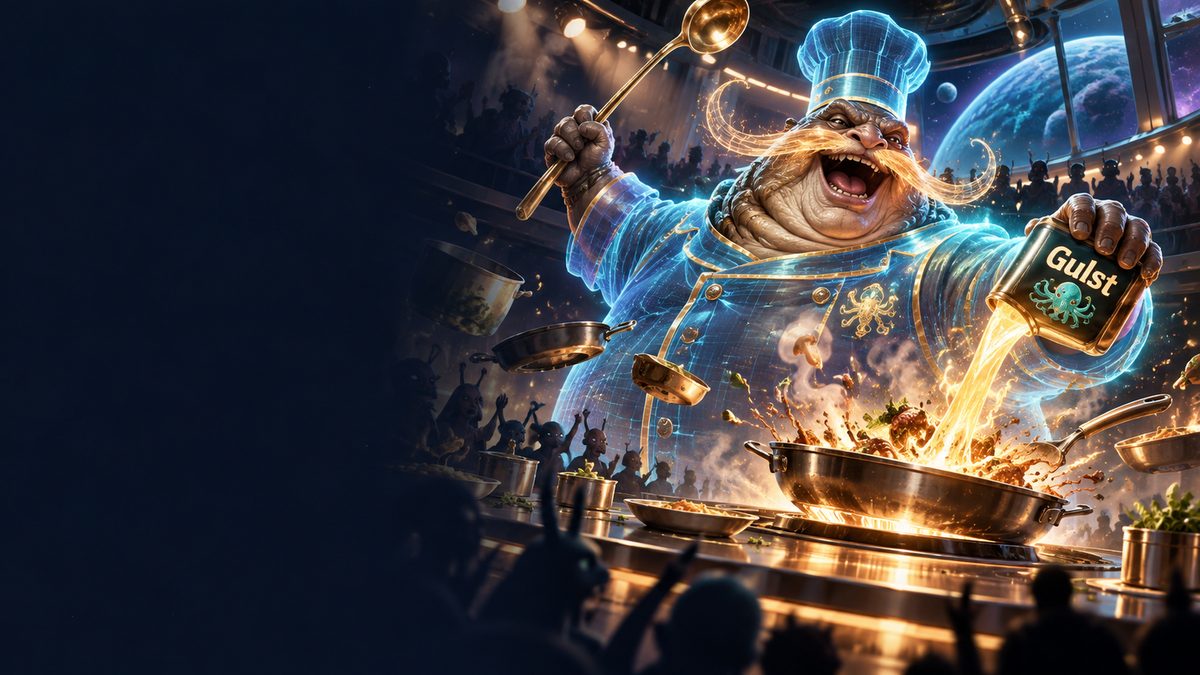
Hologram chef, enormous, bellowing. His cooking show runs on every capital world.
"Brakkus pairs Gulst with comet stew. Ratings explode, so does the stew."
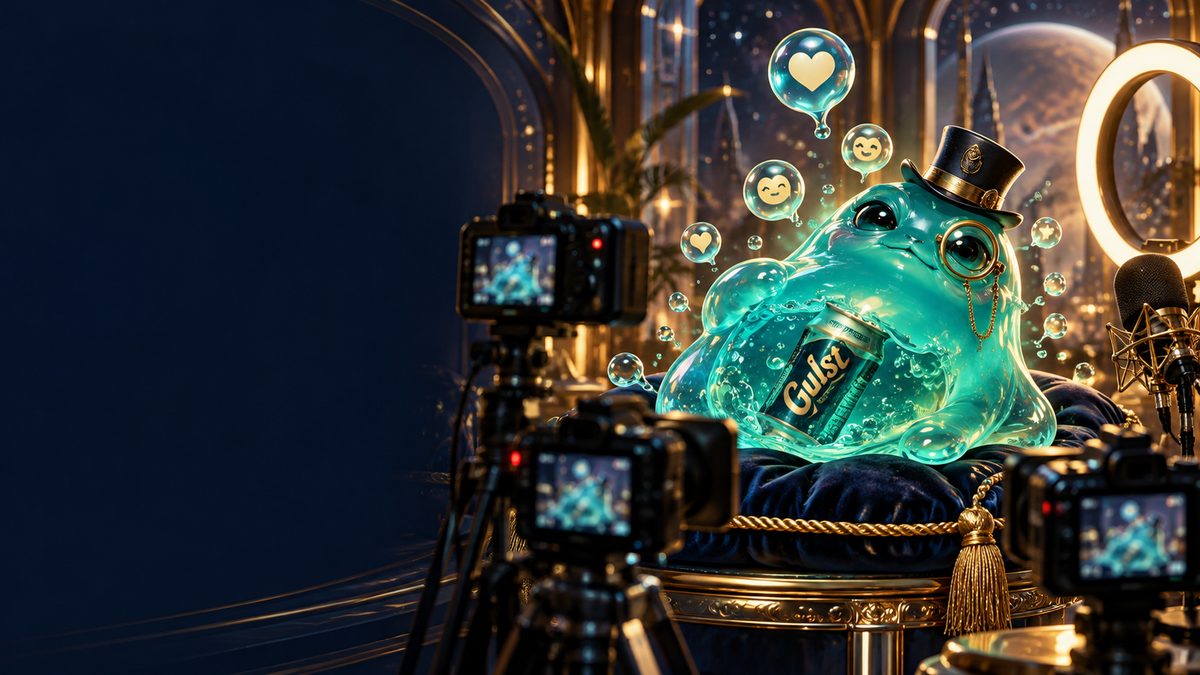
A small, intelligent space slime with a tiny top hat. Everybody knows him; nobody quite loves him.
"Sir Reginald eats a sponsor's delivery shuttle."
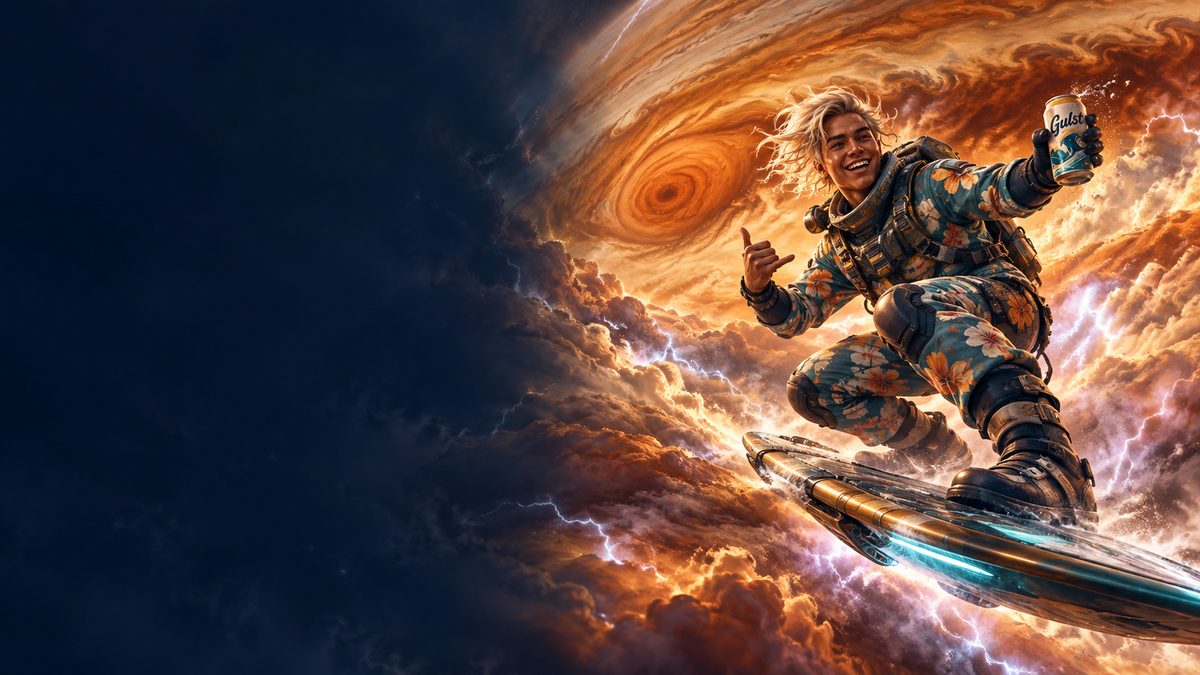
Kai rides storms the size of planets. Gas-giant systems watch every wave.
"Surf star admits it was all a holo-sim."
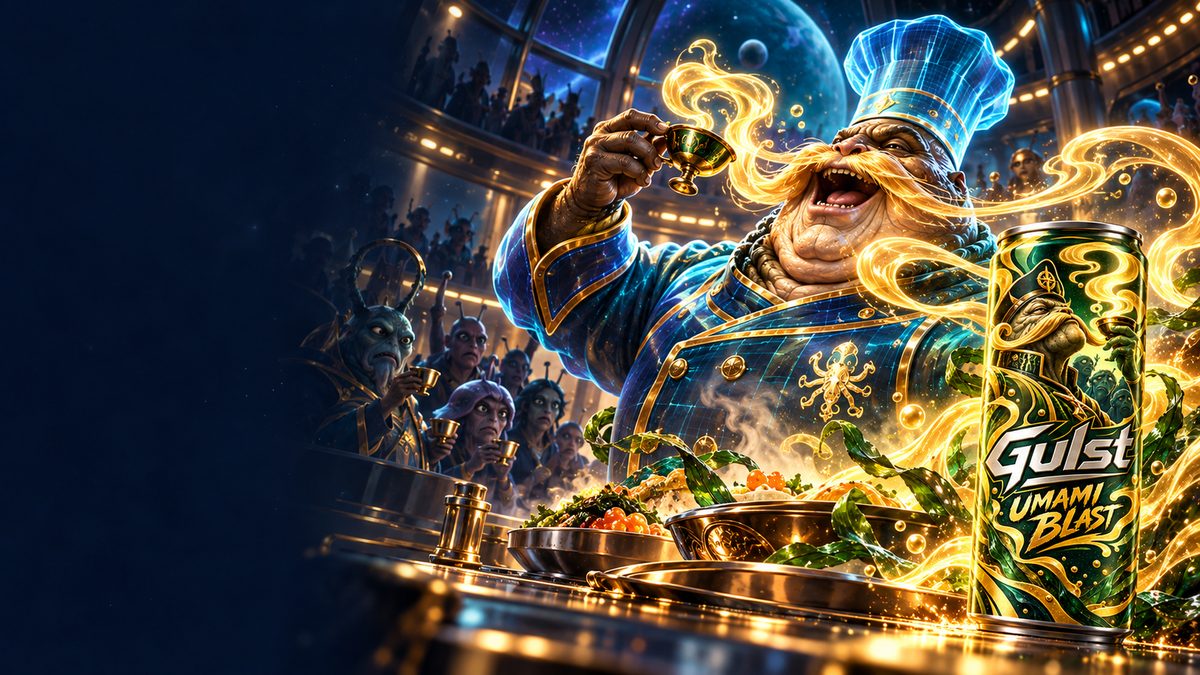
A limited edition with Captain Brakkus. Reckless. Possibly brilliant.
"Tastes of fish soup and herring. Brakkus: 'That is the point.'"
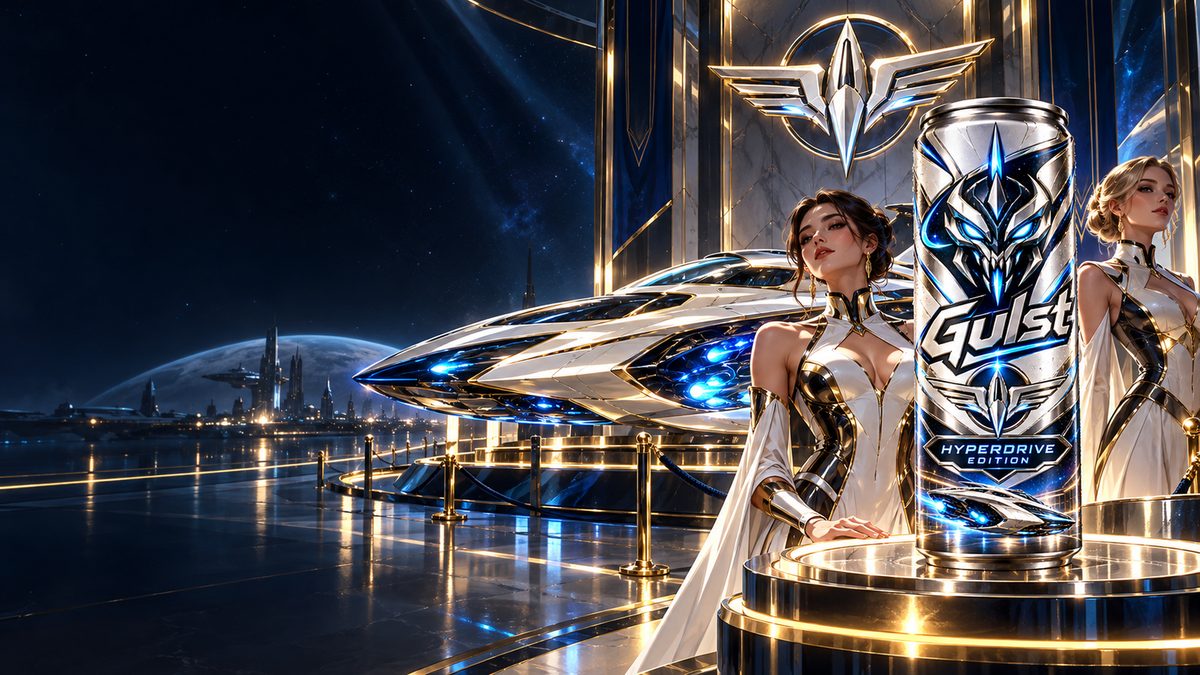
With Starwright Shipyards, displayed like a jewel in the showrooms of the richest worlds.
"So fast it sold out before the shops opened."
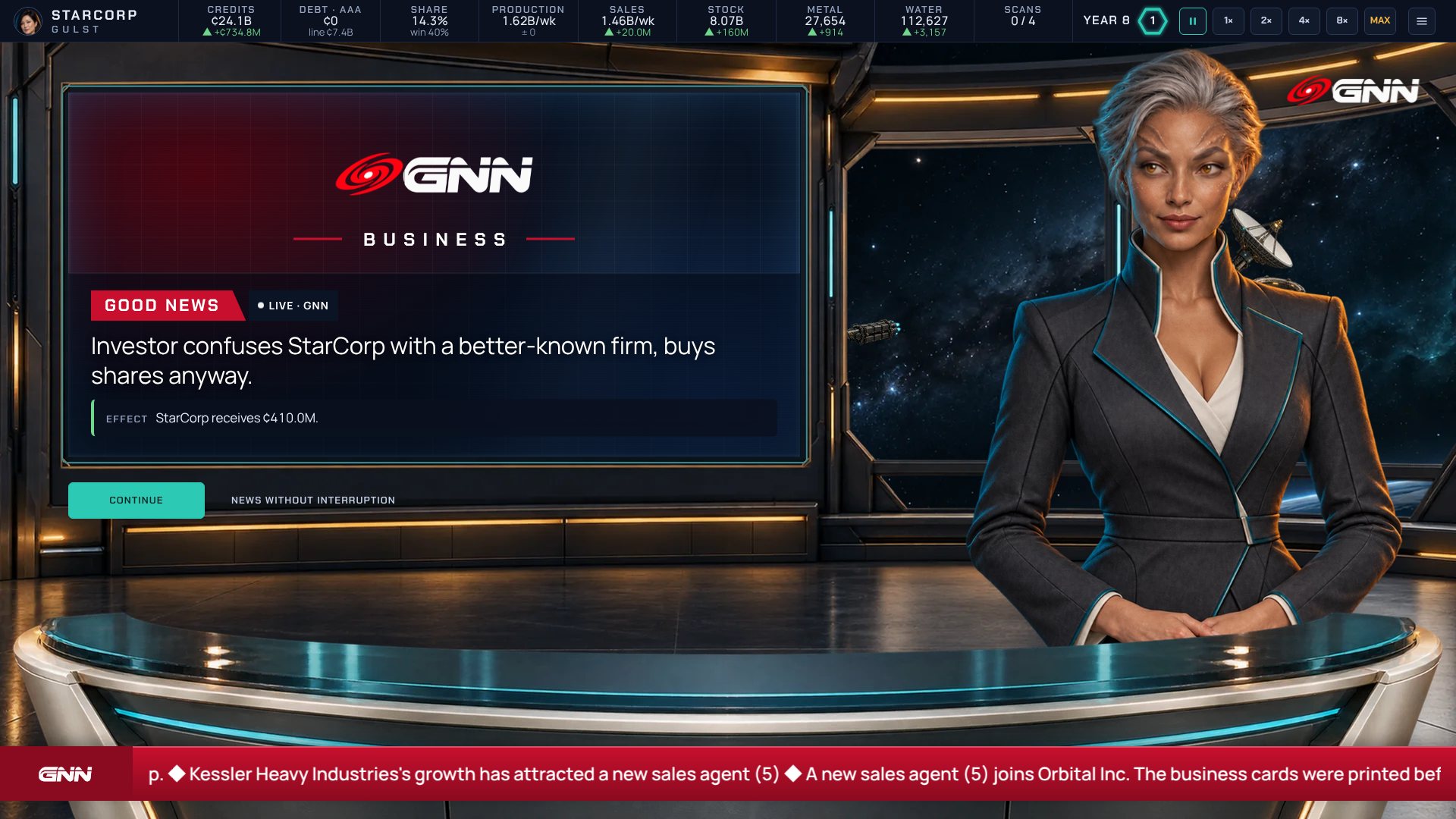
Solar flares, ice strikes, heat waves, a toddler whose first word is "Gulst". GNN reports it in a red ticker under the game and in TV-style lower thirds. A world event changes demand, prices or power costs for weeks. The anchor reads it out and the screen shows the effect, so you can react.


Wherever you have a station or a sales agent, the local café is one click from the planet: a chic orbital lounge, a rough miners' bar, a frontier saloon or a spaceport diner. The bartender pours the market leader's drink and tells you what your rivals are up to. Usually. In the back room metal and water change hands under the counter. And there are games: Nebula Slots, Robot Run, the Comet Race, and Ore Dice against Queen Halda's miners.
Each AI rival has its own personality, its own drink and its own idea of a fair price: Kessler sells cheap, Orbital sells premium, Perihelion starts price wars. Face one to seven of them and set each one's level, from Rookie to Ludicrous. The year-end review shows where you stand, with the change on the year before for every figure.
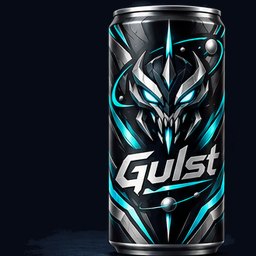 GulstStarCorp · you
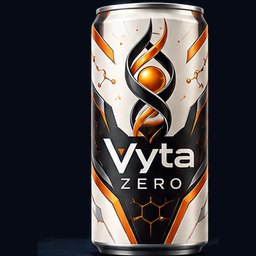 VytaHelixx Dynamics
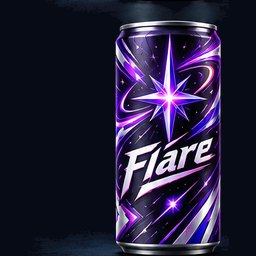 FlareNova Ltd
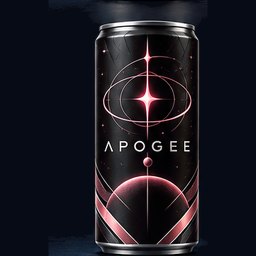 ApogeeOrbital Inc
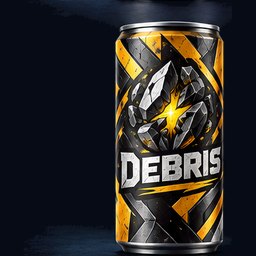 DebrisKessler Heavy Ind.
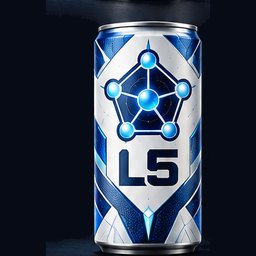 L5Lagrange Collective
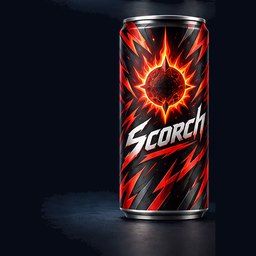 ScorchPerihelion Group
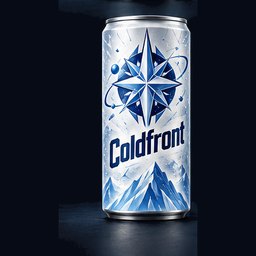 ColdfrontOort & Sons
Each market has its own products, tech tree, rivals and customers. Energy drinks, sneakers and sports nutrition are in the game. Robotics and space vehicles follow after 1.0 as paid expansions. Click a card for a closer look.
You can play a full game, from the first week to year twenty. A new version comes out every few weeks, and every update of the base game is free for everyone who bought it, before and after 1.0.
Buy now for €14.95. That price stays the same at version 1.0, and every update stays free for you.
The demo is the complete game on a time budget. When you buy, the full game picks up your demo saves exactly where you left them.
Windows 10/11 (64-bit) · macOS 13 or later · Linux (x64). On Windows, the installer is code-signed by Van den Ing Webmarketing. On a Mac: unzip, drag the app to Applications and open it. It is signed and notarised by Apple. On Ubuntu/Debian: download the .deb and open it. On other Linux systems: extract the tar.gz and run ./AppRun; it does not update itself, so download the new tar.gz when the main menu says a new version is out.
One price: it stays the same at version 1.0.
The game is complete: you can play a whole 20-year game, win or lose, in both rule sets. Early Access means it is still growing: a new version every few weeks, free for everyone who bought it. Feedback on Discord decides much of what comes next.
The demo is the full game. You can start 3 new games, and each one gets 60 minutes of play. Time only counts while the game clock runs. Pausing, menus and reading reports are free. You can save, quit and load a demo game until its 60 minutes are used.
Yes. The full game uses the same save files, so it continues your demo games where you left them, without limits.
Windows 10 and 11 (64-bit), macOS 13 or later on Apple Silicon and Intel Macs, and since 0.9.6 Linux (x64, tested on Ubuntu 24.04: download the tar.gz, extract it, run ./AppRun). One purchase gives you all four downloads.
The game is in 13 languages: English, Dutch, German, French, Spanish, Brazilian Portuguese, Italian, Polish, Turkish, Russian, Simplified Chinese, Japanese and Korean. It starts in the language of your computer, and you can switch any time in Settings.
Since version 0.8.4 the game is signed and notarised by Apple, so it opens like any other app. If macOS still warns you, you have an older download: get the latest version with your download link. Open the game from Applications, not from the Downloads folder.
Right after payment you land on your download page, and the same link is emailed to you. The link keeps working for future updates. Lost it? Use "Send it again" with the email address you bought with.
Because the game is delivered digitally and immediately, the 14-day right of withdrawal ends once your download is available. You agree to that when buying. If the game does not work on your computer, mail support and it gets sorted out.
Yes. The Windows installer is code-signed by Van den Ing Webmarketing, the company behind VDIW Game Studios. Windows SmartScreen trusts a new signature only after enough people have installed it, so a first download may still show this warning for a while: choose "More info", check that the publisher is Van den Ing Webmarketing, then "Run anyway". Updates from inside the game do not show this warning again.
On Windows and macOS the main menu shows "Update now" when a new version is out: one click downloads, checks and installs it and restarts the game. A Mac asks once to be linked to your purchase: the "Link to my game" button on your download page does that (from version 0.9.3.5; in an older version, use "Paste link" in the game). Updates are free: see what changed.
€14.95 or $14.95 including VAT, one-time. No subscription, no ads, all updates included.
Yes, since version 0.9.5: 3 to 8 companies in real time at one shared speed (1× to 8×, no pause), from 2 human players, with bots in the other seats. Multiplayer needs the Starcorp lobby server; playing solo never does. Hosting a lobby needs the full game linked to your purchase; friends join with a six-character lobby code. The demo can join a game, with a warning when its remaining time will not last to the end; when it runs out, the AI takes over its company and you can watch on or get the full game. A game with an expansion pack's product needs every human player to own that pack. If the lobby server goes down during a game, you can continue it offline against the AI. The chat uses fixed phrases and smileys only.
Yes, and this is where. Pictures, portraits and short films started as AI generations and were selected, edited and composited by hand. The voices are licensed synthetic voices: no one's voice was cloned for this game. Texts, translations and code were written with AI assistance. The design is made by hand: the economy and the rules, the characters and their stories, the scenarios. Every number you trade on is a deliberate choice, tuned over thousands of simulated games. Nothing is generated while you play: your rivals are classic game AI, not a chatbot. Spot an odd translation or a glitch in a picture? Report it on Discord.
Share your best years, report bugs, and say which market you want next.
Join DiscordTrailers, dev streams and news: